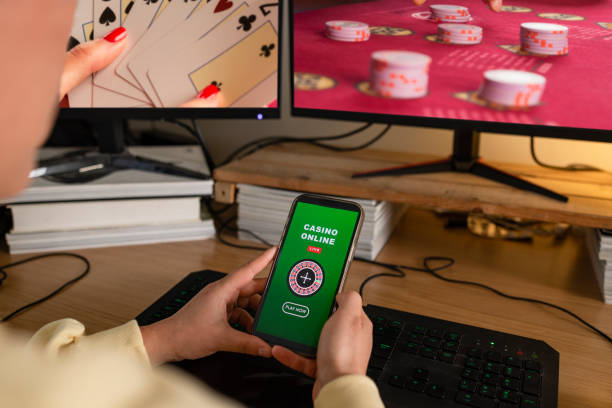
Responsible gambling is a critical aspect of the online casino industry, especially in regions like Bahrain where gambling regulations are evolving. As online casinos become more accessible, ensuring that players engage in gaming activities safely and within their limits is essential to protect individuals and maintain a healthy gaming environment. Responsible gambling involves promoting awareness of the risks associated with gambling, providing tools to help players control their behavior, and offering support for those who may develop problematic habits.
In Bahrain, the landscape of online casinos is unique due to cultural and legal considerations. While gambling is generally restricted in the region, the growth of internet access and technology has led to increased interest in online gaming platforms. This has prompted both bahrain online casino regulatory bodies and casino operators to emphasize responsible gambling practices to prevent negative consequences. Operators licensed to serve Bahraini players are increasingly adopting measures that encourage safe gambling, including setting deposit limits, offering self-exclusion options, and providing access to information about gambling addiction.
One of the fundamental principles of responsible gambling is educating players about the nature of games and the odds involved. Online casinos targeting Bahraini users often include clear explanations about how games work, the likelihood of winning, and the fact that gambling should be viewed as entertainment rather than a way to make money. Transparency in game mechanics and payout rates helps players make informed decisions and reduces the chances of chasing losses. Additionally, reputable online casinos implement age verification processes to prevent underage gambling, which is a crucial step in responsible gaming frameworks.
Technological advancements have enabled online casinos in Bahrain to integrate responsible gambling tools directly into their platforms. Features such as reality checks, which remind players how long they have been playing, and personalized limits on bets and spending empower users to maintain control over their gambling activities. Moreover, many operators collaborate with organizations that specialize in gambling addiction treatment, ensuring that players who seek help can access professional support easily. These partnerships demonstrate a commitment to player well-being beyond mere compliance with legal requirements.
Despite these efforts, challenges remain in promoting responsible gambling in Bahrain’s online casino landscape. The relative novelty of the market means that awareness campaigns and educational resources need to expand further. Furthermore, the presence of unregulated platforms poses risks, as such sites may not adhere to responsible gambling guidelines, potentially exposing players to harm. Therefore, it is important for players to choose licensed and trustworthy online casinos that prioritize responsible gambling principles.
In conclusion, responsible gambling in Bahrain’s online casino sector is a multifaceted endeavor that requires cooperation between operators, regulators, and players. By fostering safe gaming environments, providing effective tools and education, and supporting individuals at risk, the industry can contribute positively to the community while ensuring that online gambling remains an enjoyable and controlled activity.