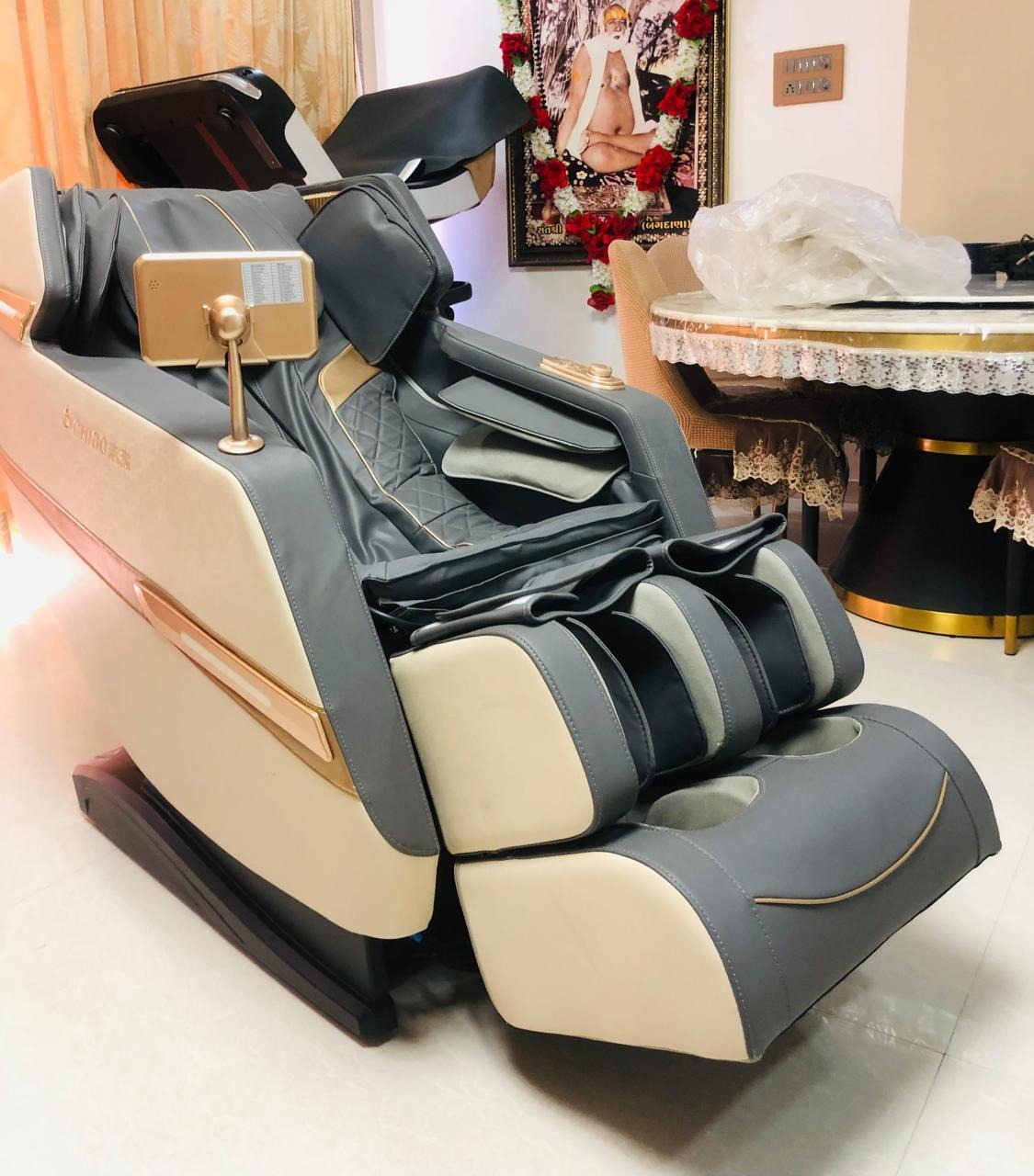
Tight lower back muscles are a common complaint among many individuals, often resulting from prolonged sitting, poor posture, stress, or physical exertion. These tight muscles can lead to discomfort, reduced mobility, and even chronic pain if not addressed properly. One increasingly popular solution for alleviating muscle tension in the lower back is the use of massage chairs. But can massage chairs truly help with tight lower back muscles? The answer lies in understanding how these devices work and their potential benefits.
Massage chairs are designed to mimic the techniques used by professional masseuses, such as kneading, rolling, tapping, and shiatsu. Many modern models come equipped with adjustable settings that target specific areas of the body-including the lumbar region-where tightness commonly occurs. By applying consistent pressure and rhythmic movements to this area, massage chairs can promote relaxation of muscle fibers that have become stiff or knotted over time.
One primary way massage chairs assist with tight lower back muscles is through improved blood circulation. When muscles are tense or injured, blood flow may be restricted due to constricted vessels or inflammation. The mechanical action of a massage chair reviews stimulates circulation by encouraging oxygen-rich blood to reach affected tissues more efficiently. This enhanced blood flow aids in flushing out metabolic waste products like lactic acid while delivering nutrients necessary for tissue repair and recovery.
Additionally, using a massage chair regularly can help reduce overall muscle stiffness by breaking up adhesions-small bands of scar-like tissue that develop when muscles remain contracted for extended periods. These adhesions limit flexibility and contribute to ongoing discomfort; thus their release through targeted pressure helps restore normal muscle function.
Beyond physical effects on muscle tissue alone, massage therapy also triggers neurological responses beneficial for pain relief and relaxation. Massage activates sensory receptors in the skin and deeper tissues which send signals to the brain that modulate pain perception via endorphin release-the body’s natural “feel-good” chemicals-and decrease levels of cortisol associated with stress-induced muscle tension.
While massage chairs offer convenience and accessibility compared to scheduling regular sessions with a human therapist, they do come with limitations. They cannot fully replicate personalized adjustments based on individual anatomy or respond dynamically during treatment as trained professionals would. Moreover, people with certain medical conditions such as herniated discs or severe spinal issues should consult healthcare providers before using these devices.
In conclusion, massage chairs can be an effective tool for relieving tightness in lower back muscles by promoting increased circulation, reducing adhesions within muscle tissue, and stimulating neurological pathways involved in pain modulation and relaxation. When used appropriately alongside other healthy habits like stretching exercises and proper ergonomics at work or home environments they provide valuable support in managing muscular discomfort related to everyday activities or minor strains. However it remains important to recognize their role as complementary rather than standalone solutions within comprehensive care plans aimed at maintaining long-term spinal health.