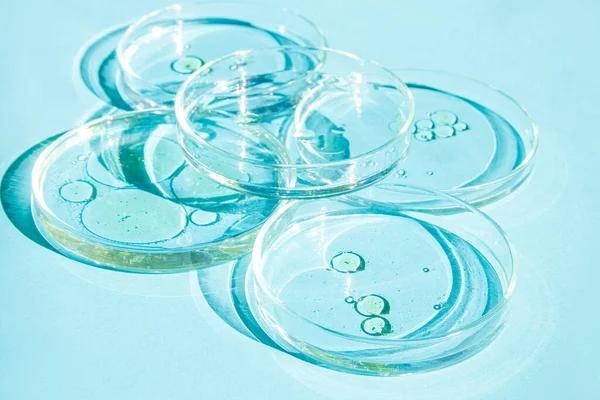
Laboratory grade transfection reagents play a crucial role in ensuring consistent and reliable results in cell studies. These reagents are specifically designed to facilitate the introduction of nucleic acids, such as DNA or RNA, into cultured cells with high efficiency and minimal toxicity. The quality and performance of transfection reagents directly impact the reproducibility of experiments, making them indispensable tools for molecular biology research, gene expression analysis, and therapeutic development.
A key factor that distinguishes laboratory grade transfection reagents from standard products is their stringent manufacturing standards. These reagents undergo rigorous quality control processes to guarantee batch-to-batch consistency and purity. This reliability allows researchers to trust that each experiment will yield comparable outcomes, reducing variability caused by reagent inconsistencies. Such consistency is particularly important when conducting sensitive assays or working with delicate cell lines that may respond differently to lower-quality materials.
The choice of a suitable transfection reagent depends on several factors including the type of cells being studied, explore the possibilities further nucleic acid payload, and the desired level of expression or knockdown. Laboratory grade products often come with optimized formulations tailored for various cell types such as primary cells, stem cells, or hard-to-transfect lines. This optimization enhances uptake efficiency while minimizing cytotoxic effects that could compromise experimental integrity.
In addition to efficiency and safety profiles, these reagents offer versatility across different applications like transient transfections for short-term gene expression studies or stable integrations for long-term genetic modifications. Their compatibility with diverse delivery methods-ranging from liposomal carriers to polymer-based complexes-provides flexibility in experimental design without sacrificing performance.
Advanced laboratory grade transfection reagents also incorporate features aimed at simplifying workflow procedures. They typically require fewer handling steps and demonstrate robust stability under storage conditions common in research laboratories. This ease-of-use reduces preparation time and potential user errors while maintaining high functional activity throughout multiple freeze-thaw cycles.
Furthermore, manufacturers often provide comprehensive technical support alongside detailed protocols tailored for specific research needs when offering laboratory grade transfection solutions. Access to expert advice helps scientists optimize their experiments efficiently by troubleshooting common challenges related to cellular uptake mechanisms or reagent concentrations.
Investing in high-quality laboratory grade transfection reagents ultimately contributes significantly toward achieving reproducible data sets essential for publication credibility and downstream applications such as drug discovery or gene therapy development programs. Reliable delivery systems enable consistent modulation of target genes within living cells leading to more accurate interpretations concerning biological pathways under investigation.
In summary, choosing appropriate laboratory grade transfection agents ensures dependable cellular uptake of genetic material necessary for precise manipulation during experimental workflows. Their superior formulation quality combined with extensive validation supports researchers aiming for reproducible outcomes across diverse cell models thereby advancing scientific understanding effectively within molecular biology disciplines worldwide.