The comparison between solar panels and traditional electricity costs has become increasingly relevant as more homeowners and businesses seek affordable and sustainable energy solutions. Traditional electricity is typically sourced from fossil fuels such as coal, natural gas, and oil, which involve ongoing fuel expenses, transmission fees, and environmental compliance costs. These factors contribute to the fluctuating prices of conventional electricity. On the other hand, solar panels convert sunlight into electrical energy without relying on external fuel sources once installed. This fundamental difference affects the cost dynamics of both energy options.
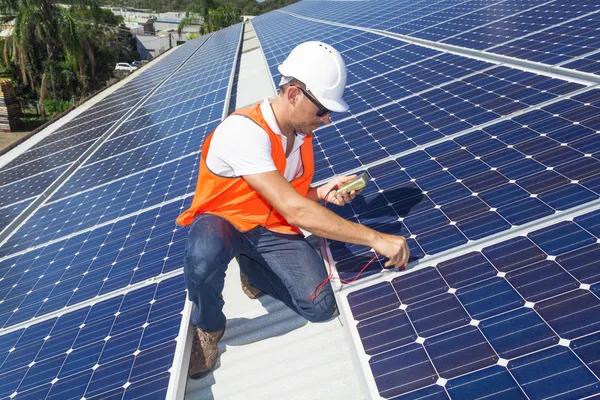
Initially, installing solar panels requires a significant upfront investment that includes purchasing photovoltaic modules, inverters, mounting hardware, and professional installation services. Despite this initial expense being relatively high compared to connecting to a utility grid, get the details long-term savings can be substantial. Solar systems generally have a lifespan of 25 to 30 years with minimal maintenance requirements. Over time, they generate free electricity after recovering their installation costs through reduced or eliminated monthly utility bills.
Traditional electricity providers charge customers based on kilowatt-hour consumption rates that vary by region and provider but tend to increase annually due to inflation and regulatory changes aimed at reducing carbon emissions. In contrast, solar panel owners produce their own power during daylight hours when demand is highest and often benefit from net metering policies that allow excess generated power to be fed back into the grid for credits or payments. This arrangement further lowers overall electric bills.
When comparing costs over a typical 20-year period using average consumption patterns for residential users, solar panel systems often prove more economical despite higher initial spending. The break-even point usually occurs within seven to ten years depending on local incentives such as tax credits or rebates designed to encourage renewable energy adoption. After this period, households experience near-zero marginal costs for electricity generation.
However, it is important to consider geographic location because areas with abundant sunlight yield higher efficiency from solar installations than regions with limited sun exposure throughout the year. Additionally, traditional grid electricity remains reliable regardless of weather conditions or time of day unless outages occur due to infrastructure failures or natural disasters.
In conclusion, while traditional electricity involves continuous payments subject to price volatility influenced by market forces beyond consumer control, investing in solar panels offers predictable long-term savings combined with environmental benefits by reducing greenhouse gas emissions. For many consumers seeking financial stability alongside sustainability goals over decades rather than immediate cost relief alone today’s market trends favor transitioning towards photovoltaic technology where feasible economically and geographically feasible conditions exist.